
Reverse Logistics







Reverse Logistics
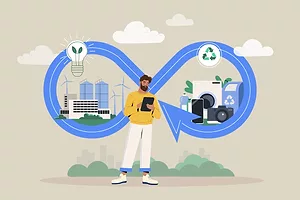
The latest news, analysis, services and systems regarding reverse logistics and its impact on global supply chains. Today’s companies are refurbishing and recycling more goods and managing more product returns than ever before thanks, in part, to the boom in e-commerce. New technologies for reverse fulfillment are transforming the way companies provide customer support - and allowing them to stay ahead of the competition in their industries. As these services continue to evolve, businesses are discovering new ways to increase efficiency and cut costs. Learn how companies are using reverse logistics solutions to power their supply chains.
Popular Stories
-

AI in Supply Chain Can’t Succeed Without Foundational Systems
-

AI Boom Has European Buyers Paying Extra to Secure Gas Turbines
-

Podcast | The Tariff Conundrum for Supply Chains: Pass Along, or Absorb?
-
.webp?height=100&t=1781237049&width=150 "016_ai_and_data_transformation_in_distribution_v1-(540p).png")
Watch: AI and Data Transformation in Distribution
-

A Question of Strategic Defense: The China Challenge in Latin America

SupplyChainBrain 2026 ESG Guide: ESG — The Supply Chain’s Biggest Secret
VIEW THE LATEST ISSUECase Studies


Visit Our Sponsors |
|
|
| |
|
|
|
|
|
|
|
|
|
|
|
|
|
|
|
|
|
|
|
|
|
|
|
|
|
|
|
|